Neurology
Comprehensive care for brain, spine, nerve, and neurological disorders with expert diagnosis and treatment.
Comprehensive care for brain, spine, nerve, and neurological disorders with expert diagnosis and treatment.
Your health. Our priority.
In neurology the single decision that changes the most lives is how fast a stroke is recognised.
- Stroke treated as time-critical, with imaging immediately rather than after assessment
- EEG and nerve conduction studies on site, so epilepsy and neuropathy are confirmed rather than presumed
- Headaches examined properly, which reassures most people and finds the few that matter
- Long-term conditions like epilepsy and Parkinson's followed by the same neurologist over years
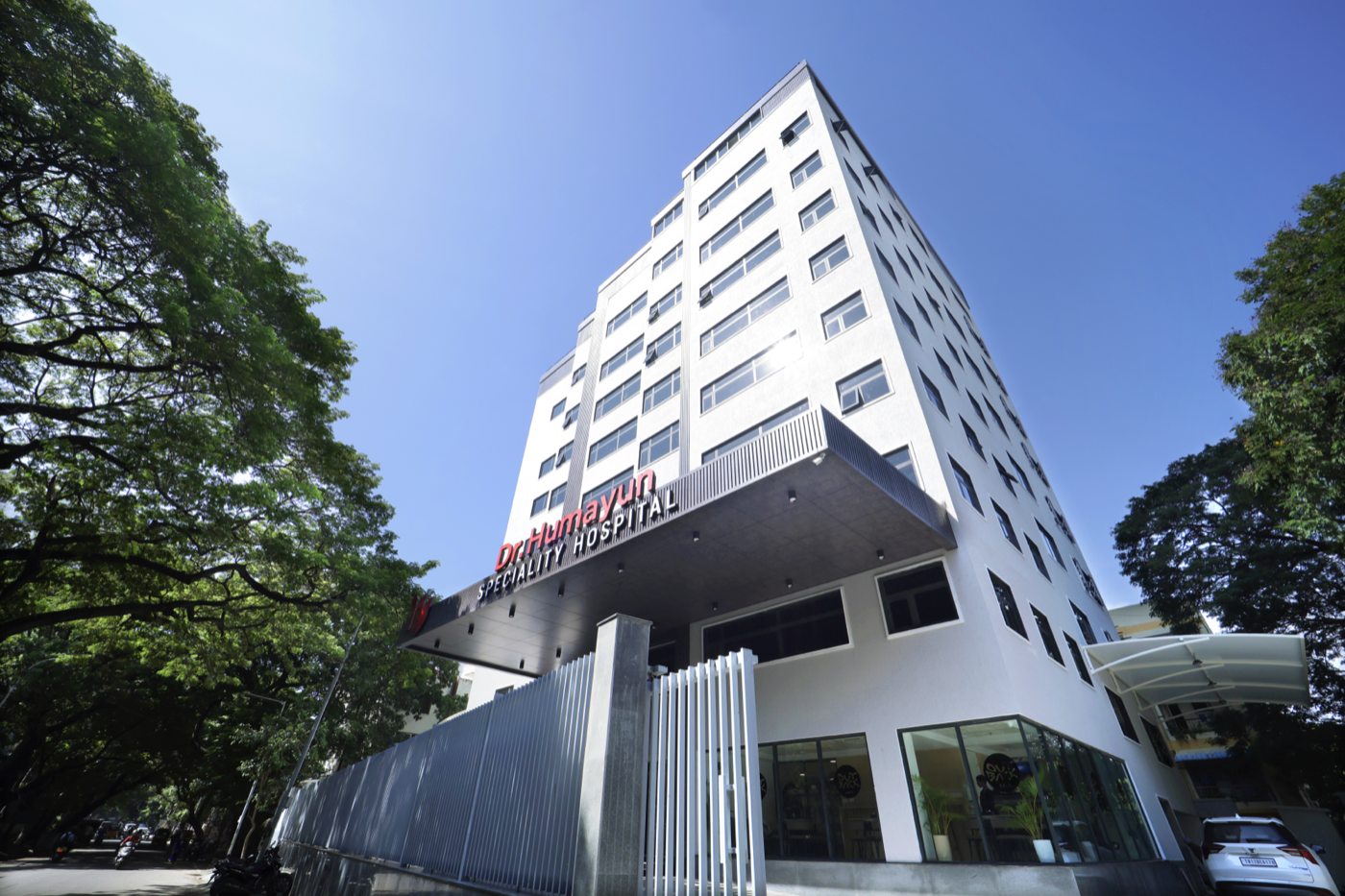
Advanced care for better outcomes.
Neurological assessment, testing and long-term management.
Emergency stroke assessment and imaging
Electroencephalography for seizures
Nerve conduction studies and electromyography
CT and MRI of brain and spine
Headache assessment and preventive treatment
Cognitive assessment
Long-term epilepsy management

Safety. Compassion. Excellence.
Your health and comfort remain at the heart of every treatment we provide.
Advanced technology and facilities
The imaging and neurophysiology behind a neurological diagnosis.
- CT and MRI with emergency access
- Electroencephalography
- Nerve conduction and EMG equipment
- Stroke assessment protocol in the emergency department
- Intensive care for neurological emergencies
- Physiotherapy for stroke rehabilitation